Dunstan Baby Language
Learn the five sounds every newborn makes before crying, and exactly how to respond. Offered exclusively at ParentLink as part of our signature course.
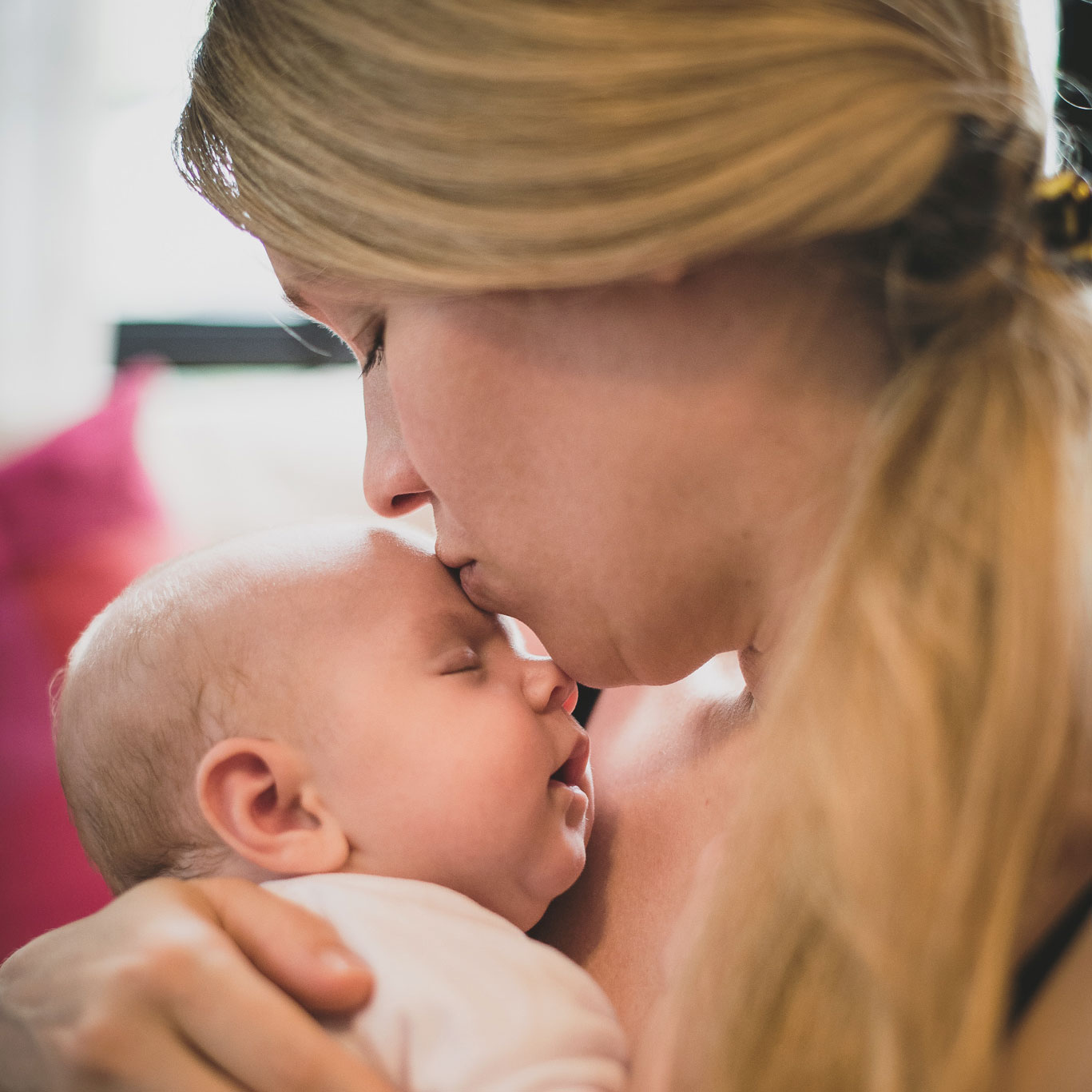
We have all heard a baby cry, but have we ever truly listened? With Dunstan Baby Language you learn to understand the sounds your baby makes before a full-blown wail, so you know just what they need. That changes everything.
What parents found
Independent research in 2006 found that:
- Babies speak a universal language, across all cultures
- 90% of parents found it very beneficial, and 100% of first-time parents found it highly valuable
- 70% said their baby settled faster
- 50% reported more unbroken sleep for baby and parents
- 70% felt more confident, more relaxed and less stressed
- Fathers reported less stress and more involvement
Class outline
- Class 1: Hungry, burp and tired criesA successful start to breastfeeding, effective burping positions, soothing, safe sleep and realistic sleep expectations for the first year.
- Class 2: Gassy and discomfort criesRelieving gas pain, an introduction to infant massage, dressing, nappies (cloth and disposable), bathing, and babyproofing your relationship.
Frequently asked questions
Do babies really use language?
Babies use sounds produced by newborn reflexes in response to a physical need. Respond to those needs early and your baby cries less.
Is it difficult to learn?
Not at all. It's about tuning your ear to your baby's sounds and responding.
Will it help my baby sleep better?
A content baby sleeps better, and settling a tired baby is much easier than settling one who is wide awake.
When do babies stop using it?
It works best from birth to three months. After that, other ways of communicating develop.
I've already had my baby. Can I still take the class?
Yes! Contact us about classes in your home with your baby.